Solar PV: Design, Installation and Repair
On-grid, hybrid and off-grid solar in Laos, from homes to factory roofs, by specialists from Thailand. We also repair inverters and existing systems.
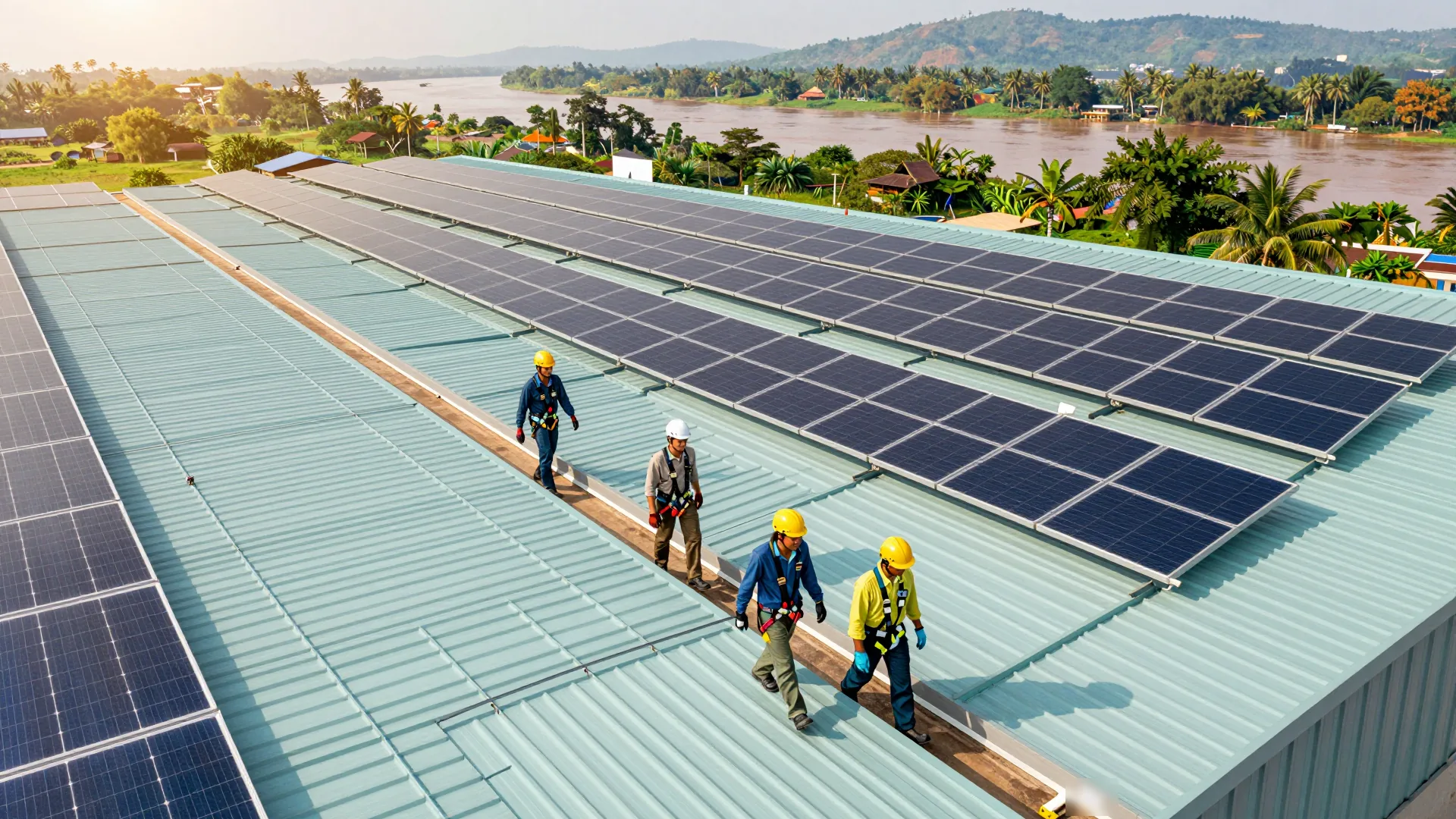
5+ MW
of solar PV installed by our team in Thailand
Tier 1
panels from makers on the industry's Tier 1 bankability lists
3 types
on-grid, hybrid with battery, and off-grid
kW → MW
every scale, from homes and shops to factory roofs and ground mounts
Inverter
diagnosis, board-level repair where feasible and warranty claims, whoever installed the system
The VGroup IT Solutions solar team are specialists from Thailand. Our team has installed more than 5 MW of solar PV in Thailand, from homes and shops to schools, government offices, companies and factory roofs. We bring the same design and testing practice to work in Laos.
We build all three system types: on-grid for buildings that use most of their power during the day, hybrid with LiFePO4 batteries where outages and brownouts are frequent, and off-grid for schools, health posts, farms and camps with no power line. In Laos we do not open with the electricity bill. We start by asking when you need power, and what must stay on when the grid goes down.
All equipment comes through Thailand. Every quote names the brand and model of panels, inverters and batteries, gives a realistic lead time and explains what each maker's warranty covers. After installation we stay on to maintain the system, and we also repair systems installed by other companies.
Systems we design and install
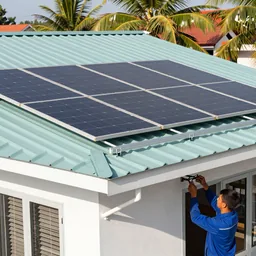 On-grid Rooftop SolarRooftop solar for homes, shops, offices and schools, sized to your daytime load, with a zero-export option.
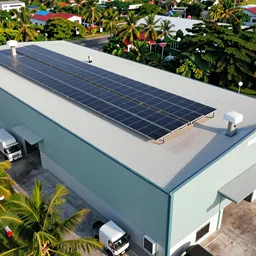 Commercial & Industrial SolarEngineered solar for factory roofs, carports and ground mounts, from a few hundred kWp up to megawatt scale.
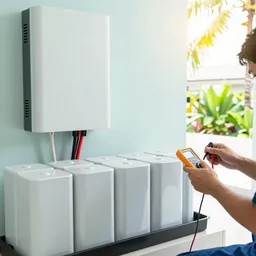 Hybrid Solar with Battery StorageHybrid inverter and LiFePO4 battery to keep power on through outages and evening brownouts, and to store daytime solar for the…
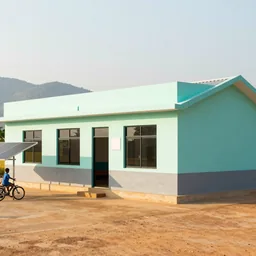 Off-grid Solar for Remote SitesStand-alone power for schools, health posts, farms, work camps and telecom sites with no grid or a weak one.
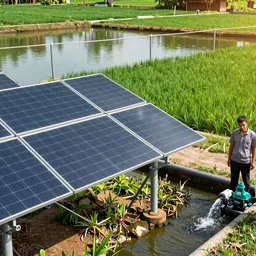 Solar Water PumpingPump from boreholes, streams or ponds with sunlight for orchards, rice fields, farms and village water supply, without fuel or a…
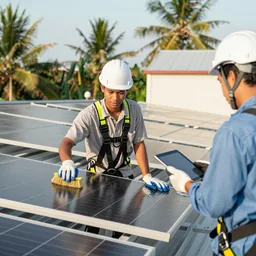 Solar O&M and MonitoringCleaning, inspection, thermal scans, string tests and performance tracking, for systems we installed and systems others installed.
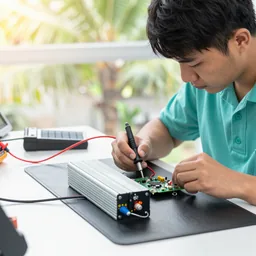 Solar Inverter & System RepairFault-code diagnosis, board-level repair where feasible, warranty claims with the maker, or replacement. Any system, whoever…
Who we build for
Schools and colleges
On-grid for town schools that use power during class hours; off-grid for provincial schools with no power line.
Government offices and health posts
Daytime power for office work, and backup for vaccine fridges, lighting and communications.
Companies and offices
Office rooftops with zero-export, and battery backup to keep servers, CCTV and Wi-Fi running.
Factories and warehouses
Hundreds of kWp up to MW on roofs, carports or ground mounts, sized to daytime load.
Homes and shops
Small systems built properly, with the same earthing, SPDs and monitoring as large ones.
Farms and remote sites
Solar water pumping, off-grid power for camps, and systems that cut generator hours.
How a project runs
- 1
1. Send us the basics on WhatsApp
Roof photos, electricity bills, location and what must keep running in an outage.
- 2
2. Site survey
Orientation and shading, roof structure and waterproofing, switchboards, earthing and cable routes.
- 3
3. Load analysis
Twelve months of bills and measured load where needed, to find the daytime and essential loads.
- 4
4. Design
String sizing, a single-line diagram and a yield estimate that allows for heat, dust and the rainy season.
- 5
5. Proposal with a bill of materials
Brand and model for every item, datasheets, maker warranty terms and the lead time from Thailand.
- 6
6. Installation
Under a safety plan: fall protection, every roof penetration sealed, DC cable in UV-resistant conduit or tray.
- 7
7. Commissioning and handover
Voc and Isc on every string, insulation resistance, polarity, earth continuity, inverter settings and a thermal scan, then the handover file.
- 8
8. Monitoring and after-sales
Monitoring in your own name, issues reported on WhatsApp, cleaning and an annual inspection.
Equipment and safety
Tier 1 panels
Panels from makers on the Tier 1 bankability lists, with the difference between the product warranty and the linear performance warranty explained.
Inverters chosen for the job
String, hybrid or off-grid to suit the site, from brands with service and spare parts available through Thailand.
Mounting and roof
Roof load checked, aluminium or galvanised steel rails, and every penetration sealed.
DC safety
DC isolators, solar-rated DC cable, MC4 connectors of one make on both halves, and module-level devices where the roof calls for them.
Earthing and surge protection
Frames and panels bonded and the earth measured, SPDs on both DC and AC sides for rainy-season lightning.
Monitoring and test records
Every system has monitoring and per-string test results to compare against in the years ahead.
Repair and care for systems from any installer
We repair and maintain solar systems, including inverter repair, whether we installed the system or another company did.
Inverters
- Diagnosis from fault codes, alarm logs and on-site measurement: isolation faults, residual current, grid voltage, DC over-voltage, overheating and fans, relays, internal power supplies, meter and BMS communication
- Board-level repair where parts are available and the design allows it
- Warranty claims with the maker for units still under warranty, without opening them
- Replacement matched to the existing strings when repair is not possible
Panels, cabling and batteries
We trace dead strings and leakage points with insulation tests, replace burned MC4 connectors, find hot spots and failed diodes with a thermal camera, fix earthing and SPDs, and check LiFePO4 batteries and BMS on hybrid and off-grid systems.
Routine care
Cleaning, annual inspections, remote production monitoring and reports with photos. Systems whose original installer no longer answers start with a full health check. More on inverter repair and O&M and monitoring.
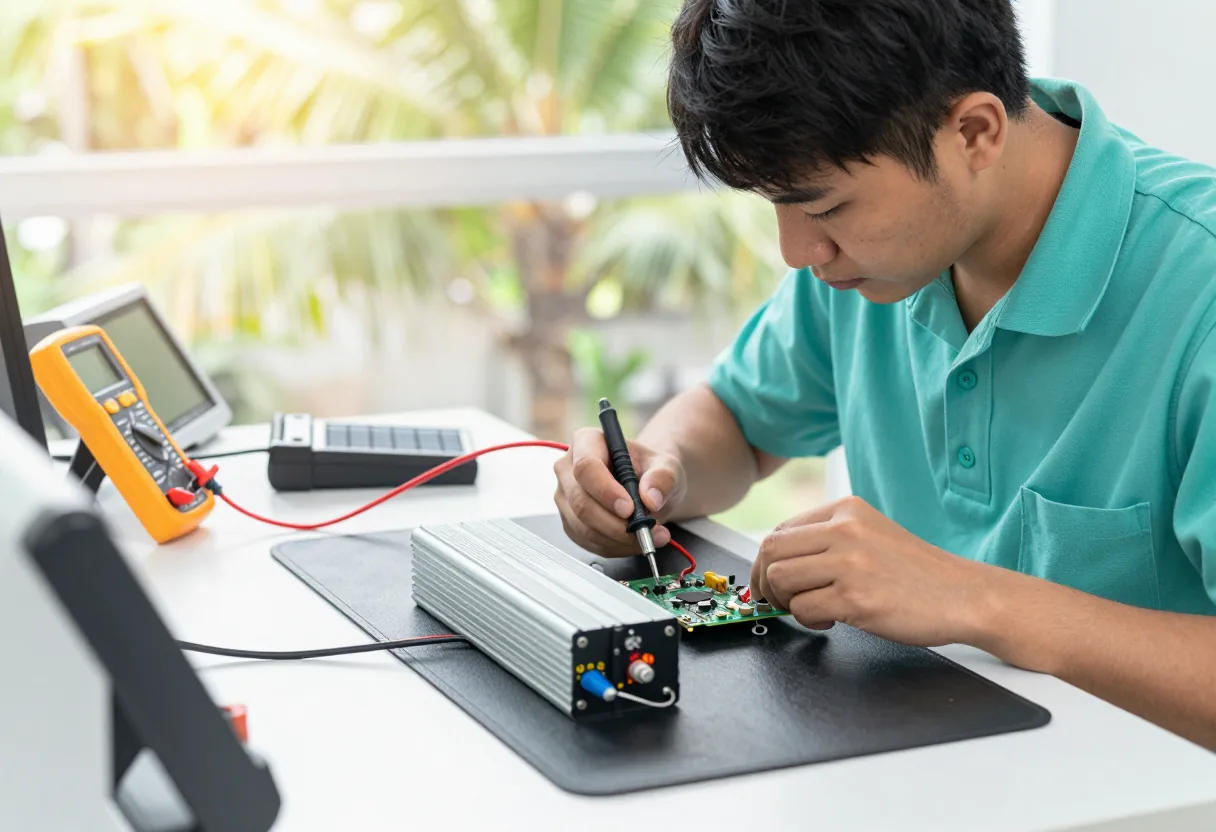
What you receive at handover
- As-built single-line diagram
- Panel layout and string map showing which panel is on which string
- Commissioning test sheet: Voc, Isc, insulation resistance, polarity and earth continuity for every string
- Thermal images from commissioning
- Datasheets and maker warranty documents with serial numbers
- Inverter settings record: grid parameters, zero-export and battery
- Monitoring account registered in your own name
- Emergency shutdown procedure and labelled isolators on site
- Photos of hidden work: cable routes, roof penetrations and earthing
- Cleaning and basic care guide
Brands we supply and install











All brand names and trademarks belong to their respective owners. Mention does not imply official partnership unless explicitly stated. Products are sourced through legitimate distribution channels.
Solar guides
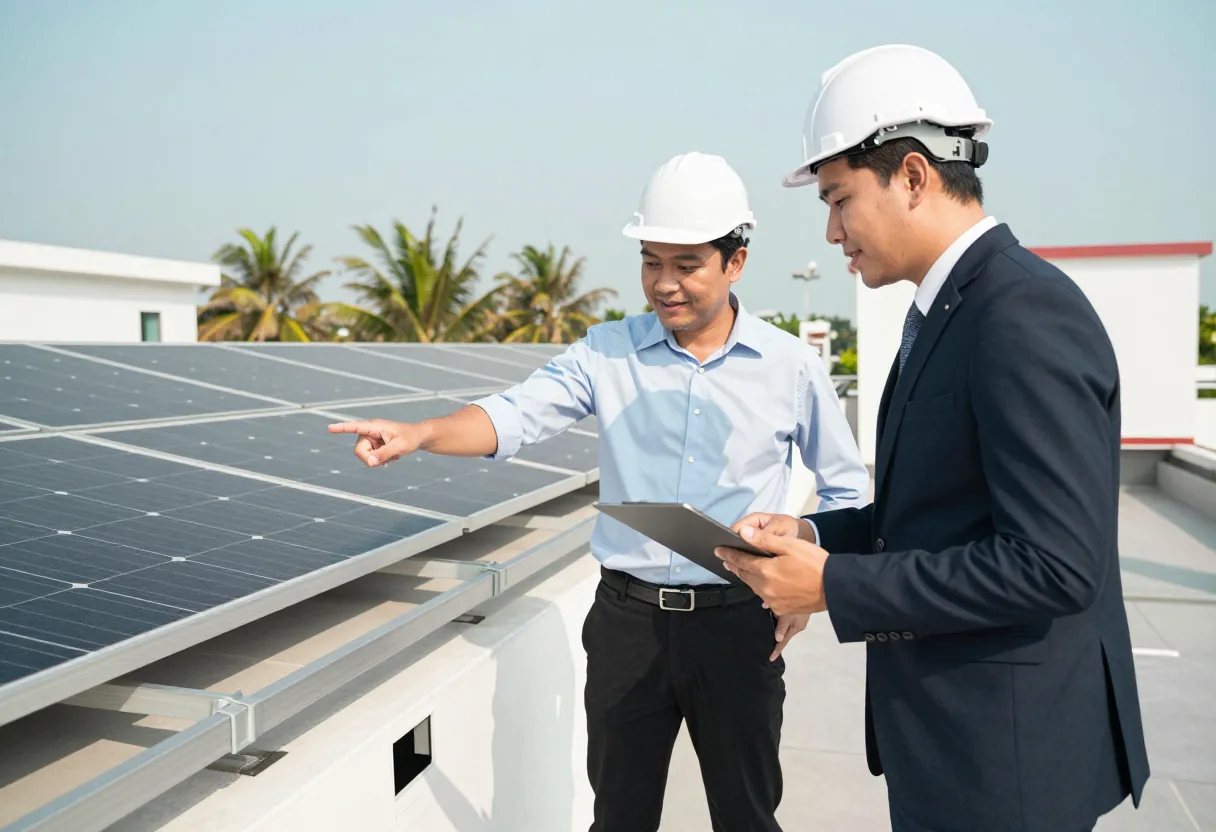
How to Choose a Solar Installer: The Buyer's Checklist
What should be in the quote and in the work itself: site survey, a bill of materials with brand and model, string design, commissioning tests, handover documents…
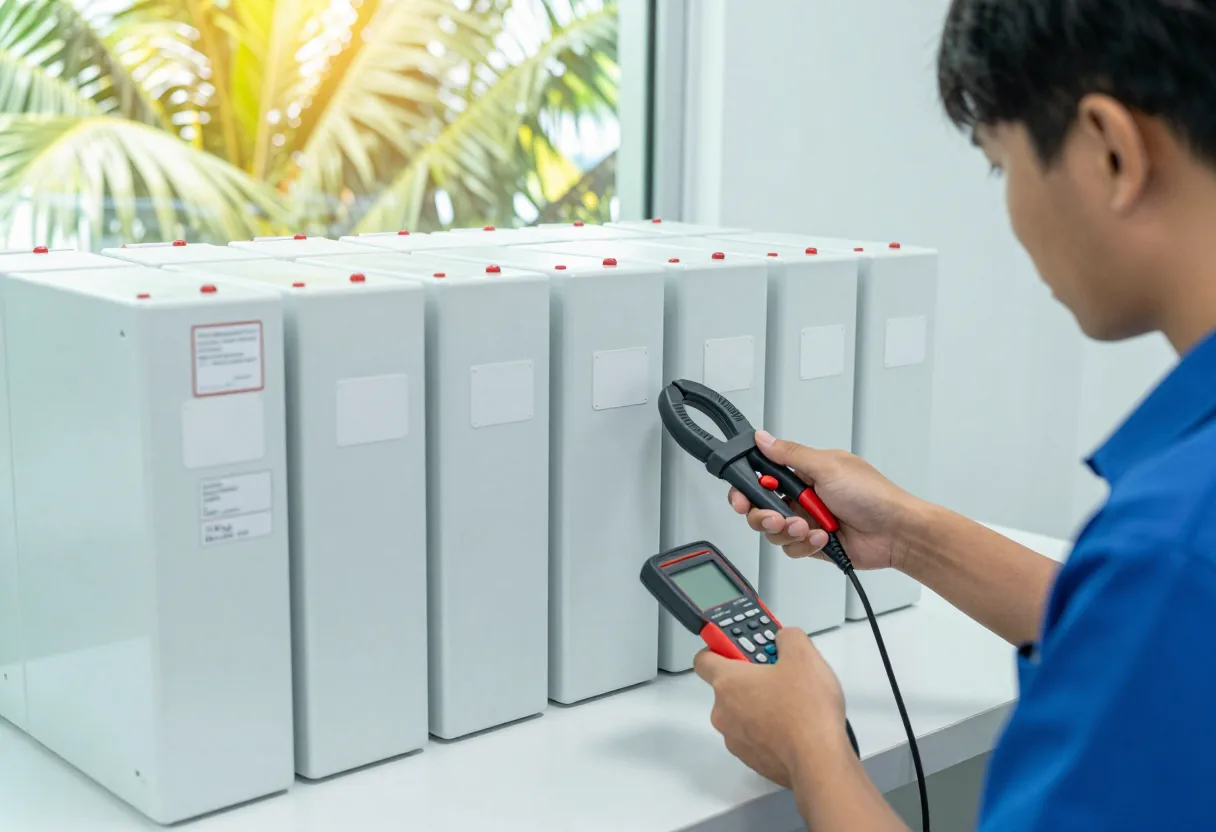
LiFePO4 Batteries for Solar: DoD, Cycles, BMS, Heat and Sizing
Why LiFePO4 has replaced most lead-acid in solar systems, how to read DoD, cycle ratings and warranties, what the BMS does, why heat matters in Laos, and how to size a…
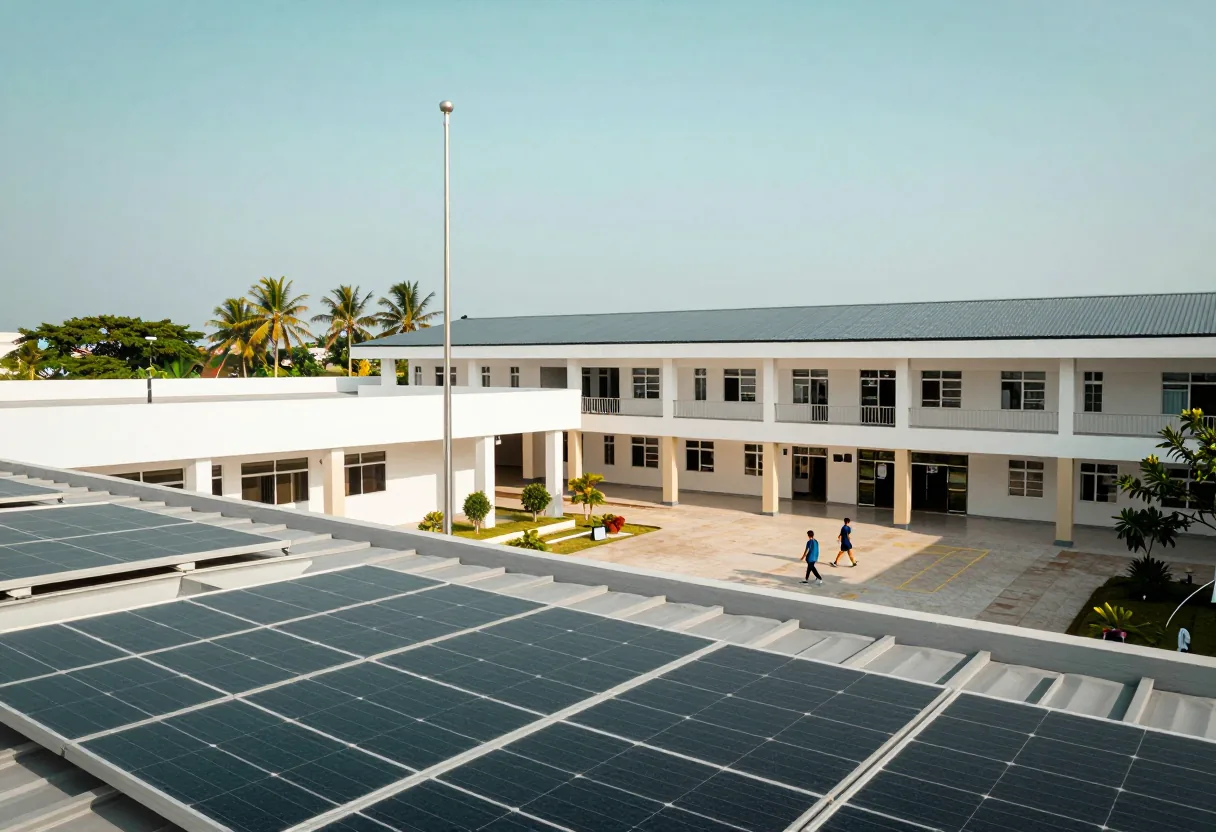
Solar for Schools and Public Buildings: Design, Safety and Upkeep
Schools and offices use power in daylight, which is when solar produces. How to size from the load, choose zero-export on-grid, hybrid or off-grid for remote schools…
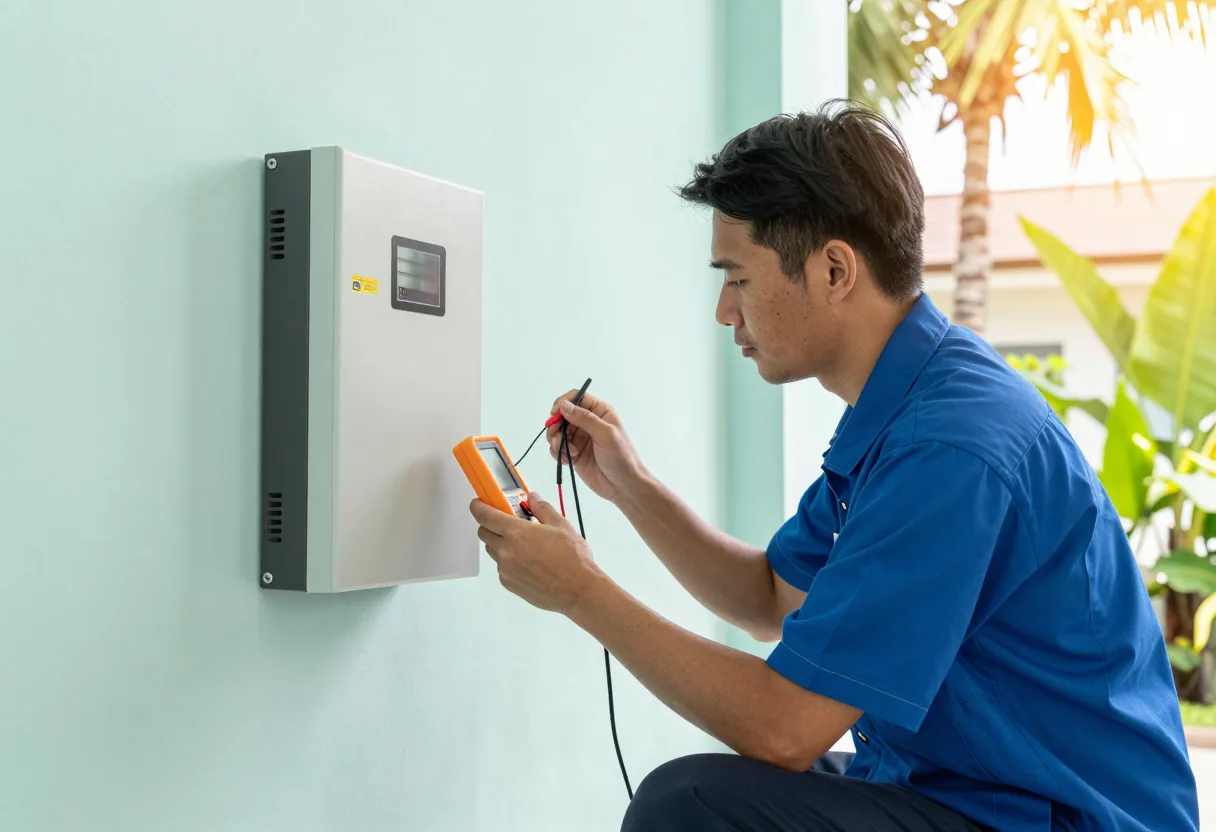
Solar Inverter Fault Codes: What the Owner Can Check and What Needs a Technician
The fault families every inverter brand shares: low insulation resistance, ground fault, grid voltage or frequency out of range, overtemperature, reverse polarity, arc…
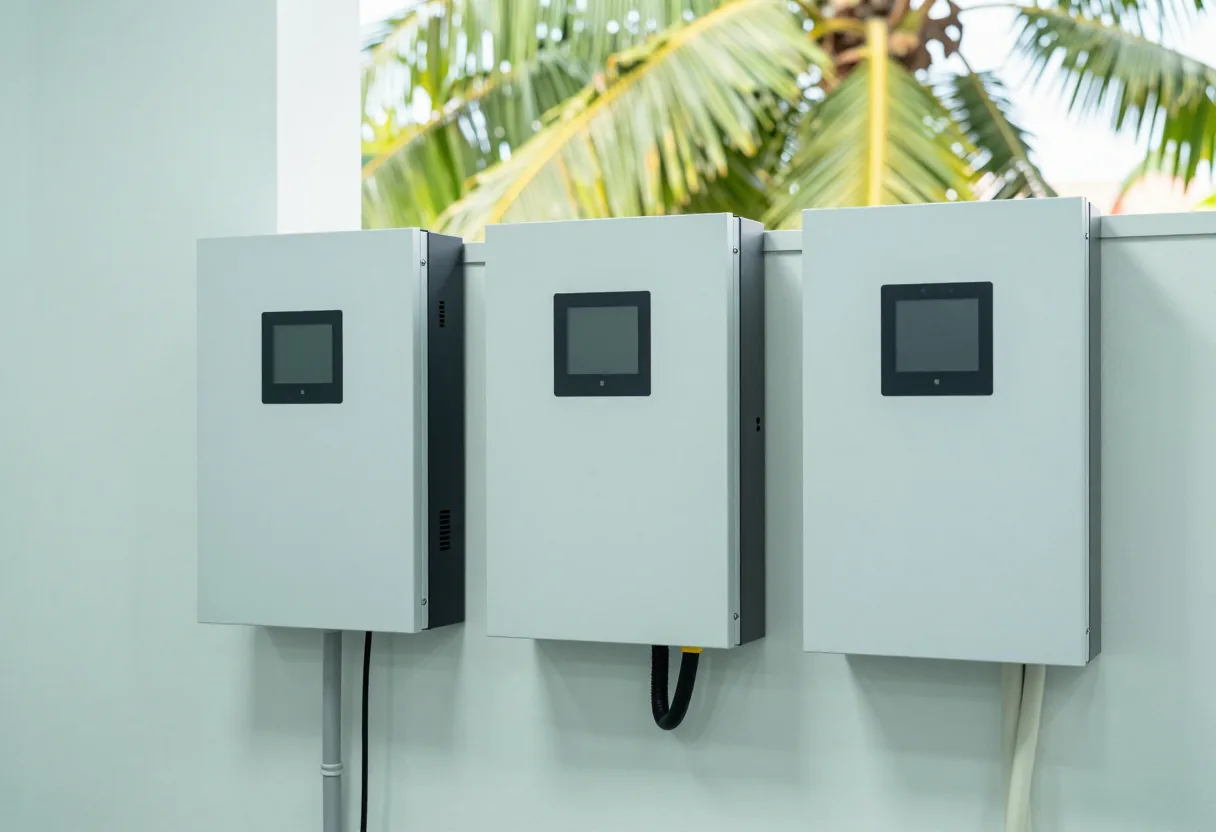
Solar Inverter Types: String, Hybrid, Micro, C&I and Off-Grid Compared
How each inverter type works and where it fits, how to set the DC/AC ratio and match strings, and what to watch in the monitoring app so problems are caught early.
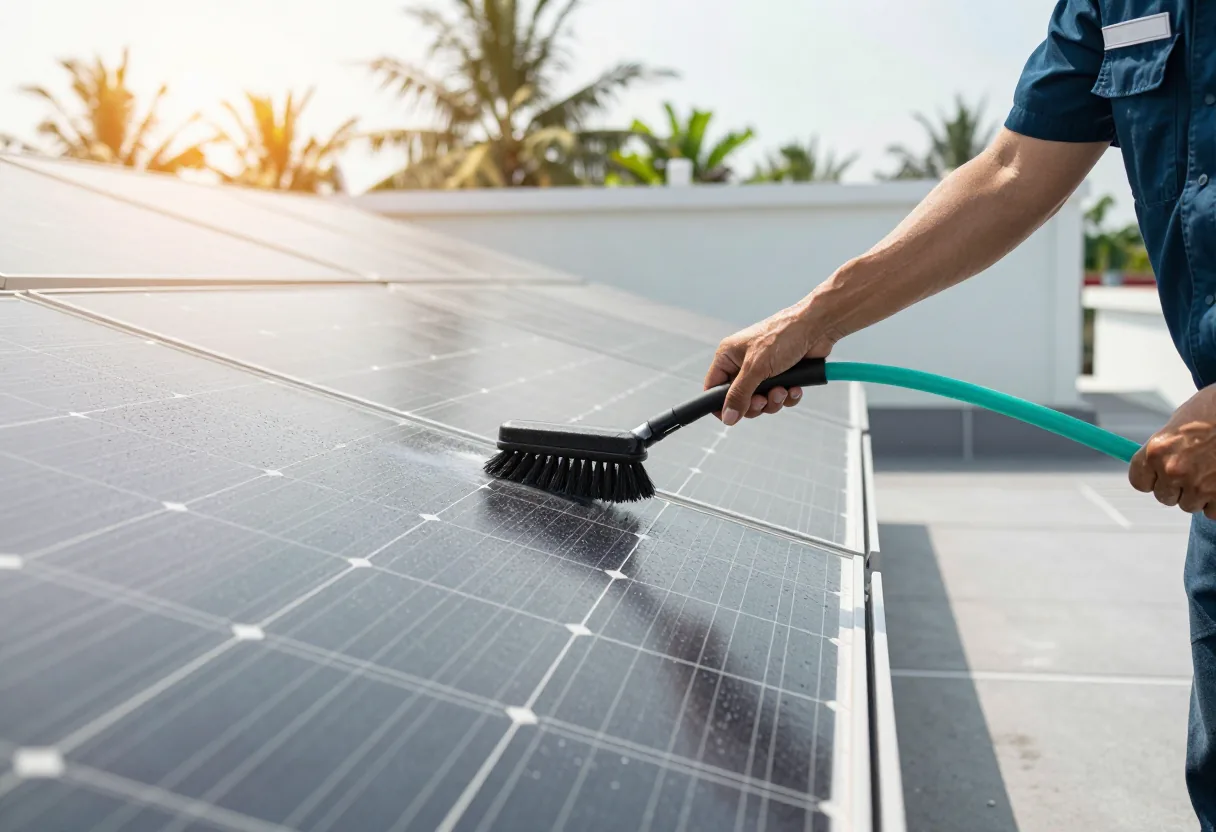
Solar O&M and Cleaning Checklist: Dust Season, Safe Cleaning and the Numbers to Watch
A cleaning schedule built around Lao seasons including the burning season, how to clean without damaging panels or people, monthly, quarterly and annual checklists…
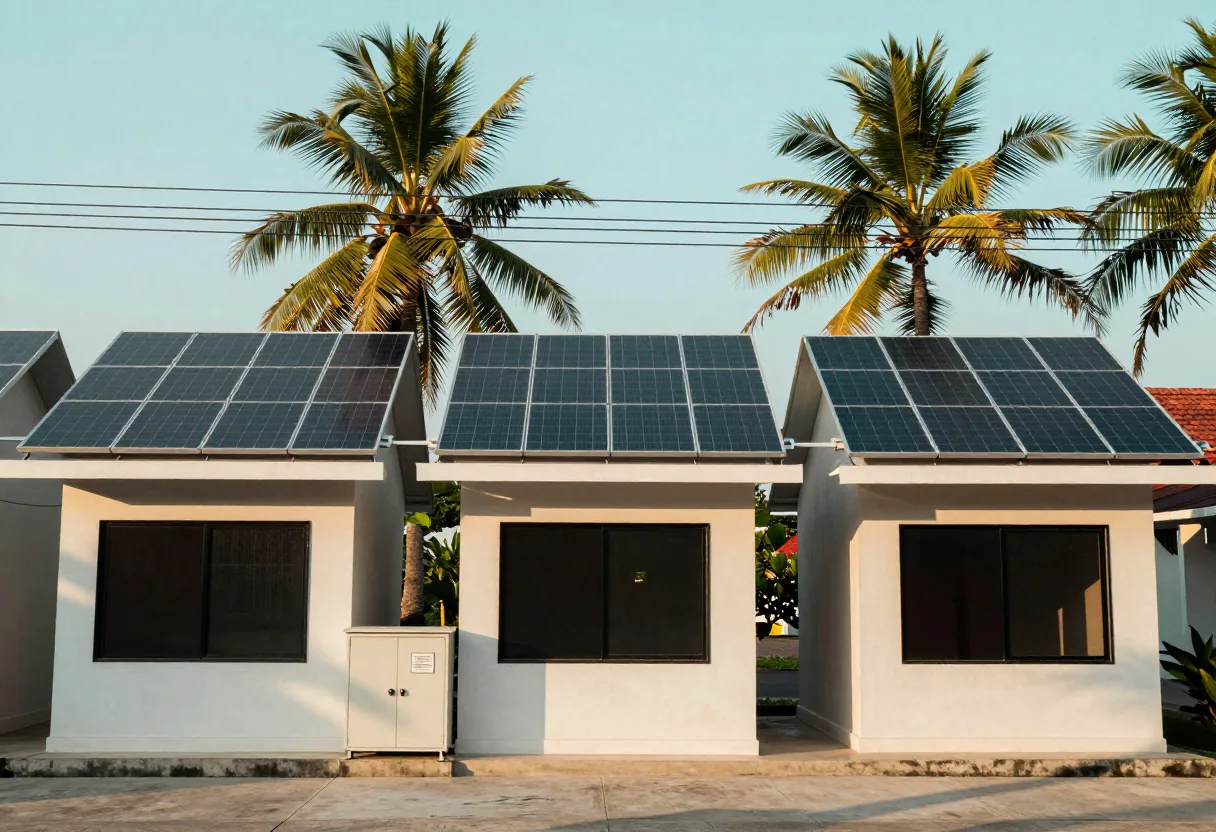
On-Grid, Hybrid or Off-Grid Solar: Which System Fits Your Site?
How the three solar system types behave when the grid fails, what each needs on site, and how to choose for an office, factory, school or remote camp in Laos.
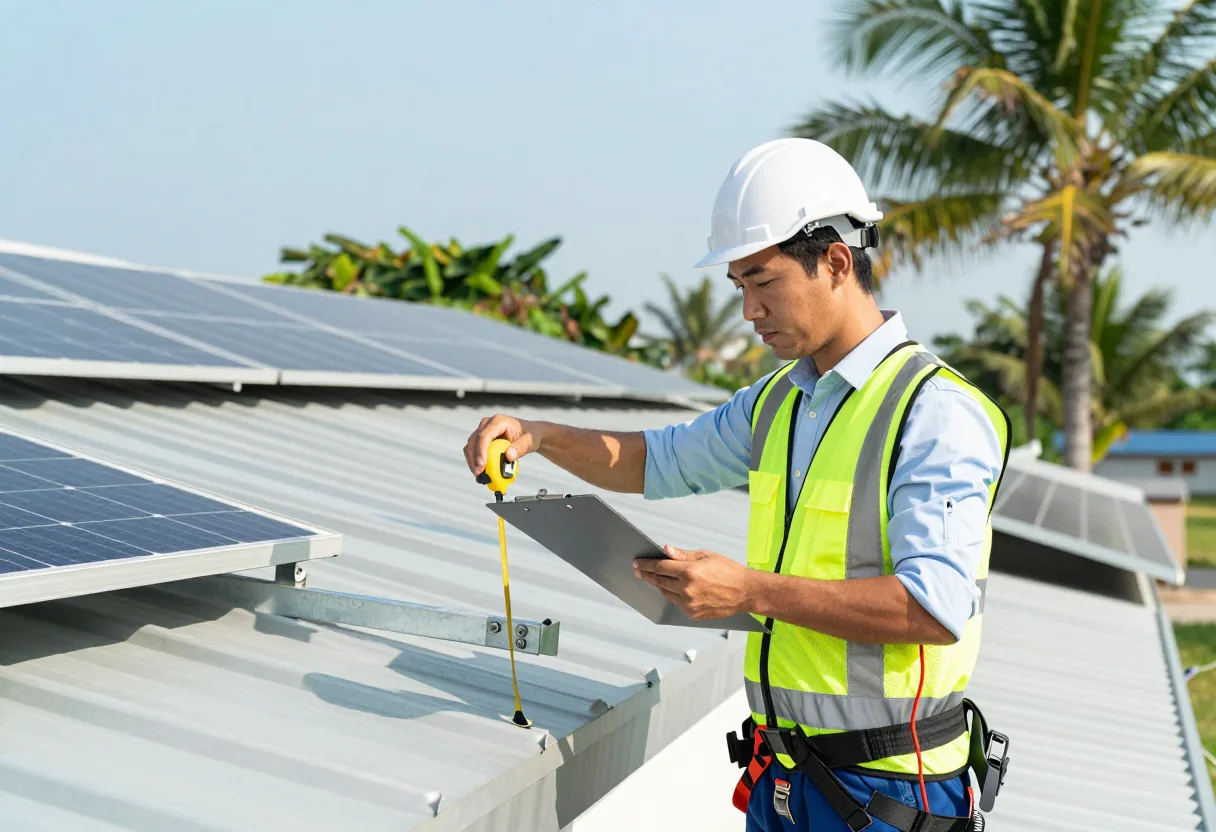
Roof Assessment Before Solar: Structure, Waterproofing, Wind, Shading and Orientation
The roof checklist we use on site for metal sheet, tile and concrete roofs: purlins and load, waterproofing, clamps and rails, wind, shading, tilt for Lao latitudes…

Solar System Sizing: From Your kWh Bill to kWp, Battery and Inverter
How to size panels, batteries and inverters from a monthly electricity bill and daytime load, with three worked examples: an on-grid office, a hybrid home and an…
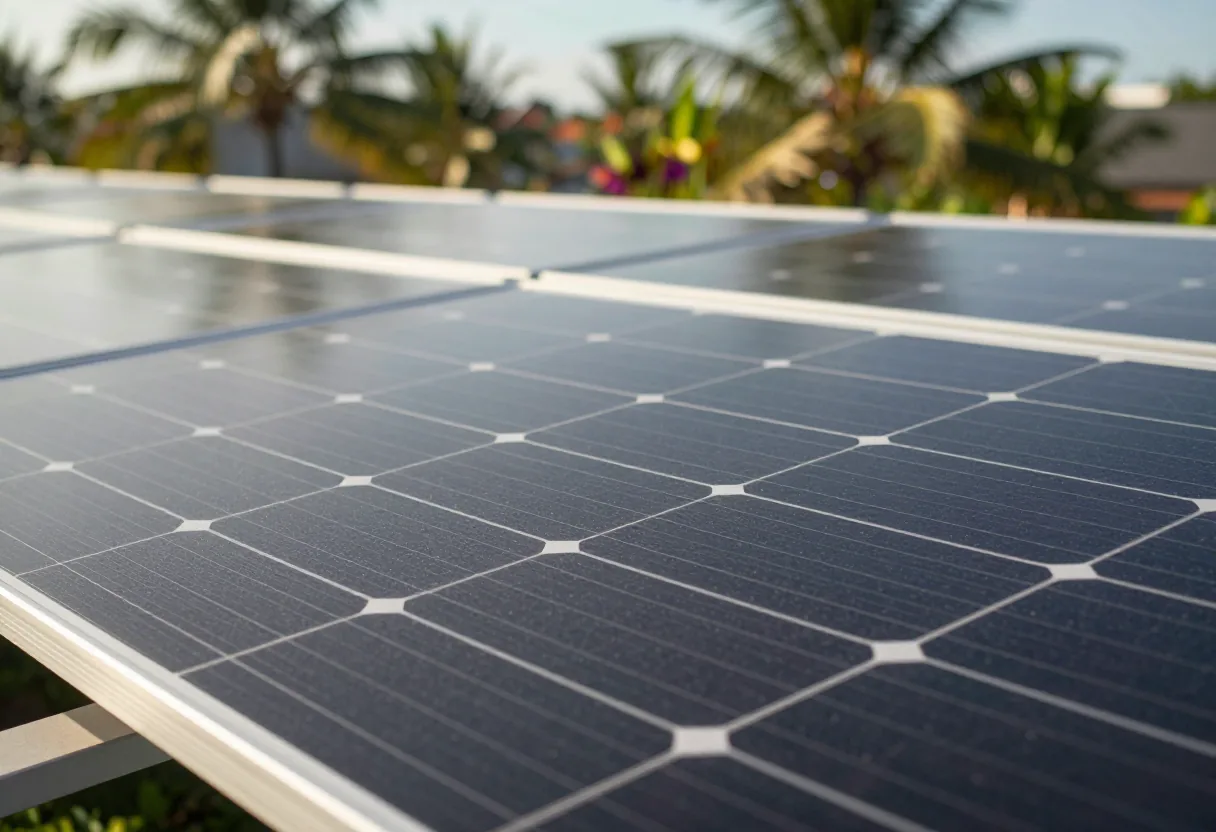
Tier 1 Solar Panels Explained, and How to Read a Panel Datasheet
What Tier 1 tells you and what it does not, how to read Pmax tolerance, temperature coefficient, degradation and the two kinds of warranty, and how TOPCon, BC, HJT…
FAQ
Was the 5+ MW installed in Laos or in Thailand?
In Thailand, by our team. We are specialists from Thailand, and we apply the same design, installation and testing practice to work in Laos.
Should I choose on-grid, hybrid or off-grid?
Stable grid and heavy daytime use: on-grid. Frequent outages or brownouts and equipment that must stay on: hybrid with battery. No power line at all, or a very weak one: off-grid.
Will solar keep my power on during an outage?
Only hybrid and off-grid systems with a battery. A standard on-grid system must stop when the grid fails, to protect crews working on the lines.
Which panel and inverter brands do you use?
Tier 1 panels, and inverters and batteries from brands with service channels through Thailand. Brand and model are named on every quote, so you can check the datasheets and warranty terms yourself.
What warranties come with the system?
Each component carries its maker's warranty: panels have a product warranty and a longer linear performance warranty, inverters a standard warranty that some brands let you extend, batteries a limit in years plus cycles or MWh. We explain the terms for the models we propose, in writing.
Do you repair systems installed by other companies?
Yes. We diagnose inverters of any brand, repair at board level where feasible, help with maker warranty claims and fix DC- and AC-side faults. Send a photo of the fault code and the inverter label on WhatsApp to start.
How long from first contact to switch-on?
The longest part is usually getting equipment from Thailand, not the installation itself. Most home and shop systems take a few days on site; factory systems take longer. We give a realistic timeline on the quote.
Send us a floor plan or a few photos of the site
We’ll come back with a few questions, then a first design. The first consultation is free, in Lao, Thai or English, on WhatsApp or our Facebook page.