 安防系统
现场常见问题
Keys can be copied at any key shop, and people who've left may still have one. When cash or stock goes missing, nobody can say who went in and when.
The system is made up of readers, controllers, electric locks (mag locks or electric strikes), exit buttons, door contacts and management software. The part that usually gives trouble isn't the reader, it's the door: a door that's out of alignment or a weak closer stops a mag lock from seating. We check every door during the survey.
Choosing credentials
- Cards: avoid 125 kHz (EM/Prox). They're unencrypted and can be cloned with a cheap gadget. Use encrypted cards such as MIFARE DESFire EV2/EV3 or iCLASS SE/Seos.
- Face: touchless, fast, can't be lent. Pick models with liveness detection so a photo won't open the door.
- Fingerprint: cheap, but on construction and mine sites dirty or worn fingers often won't read. There we recommend face.
- Mobile (BLE/NFC): convenient, and credentials can be issued or revoked remotely.
- Two-factor (card + PIN or face) for server rooms and cash rooms.
People's safety first
Electric locks on escape routes must release automatically when the fire alarm sounds (fail-safe), with a break-glass button beside the door. Every system has battery backup.
The software can show CCTV video alongside each event, sync with HR so access ends the day someone leaves, and enforce anti-passback so cards can't be shared. Between reader and controller we use OSDP with Secure Channel rather than Wiegand, which sends credential data unencrypted.
功能
Several credential types
Encrypted cards, face, fingerprint, PIN and mobile.
Time and zone rights
Who can open which door, and when.
Full audit trail
Entries, doors held open and doors forced.
CCTV link
Video next to every access event.
Fire-safe
Releases automatically on fire alarm.
Anti-passback and interlocks
Stops card sharing; supports double-door mantraps.
设计与实施
- 1
Survey every door: type, condition and required security level
- 2
Choose credentials, locks and controllers
- 3
Cable, fit locks and interface with the fire alarm
- 4
Set up software, access groups and schedules
- 5
Enrol users and test every door, including with the power off
适用场景
- Bank server rooms and cash vaults
- Office buildings with several tenants
- Mine camps and explosives stores
- Hospitals: pharmacy, operating theatres and neonatal wards
常见系统规模
Standalone
适用于: 1–4 doors
- Standalone face/card terminals
- Electric locks with backup power
- Exit and break-glass buttons
Networked
适用于: 5–50 doors, one building
- Networked controllers and central software
- Encrypted cards or face readers
- Fire alarm and CCTV integration
Enterprise
适用于: 50+ doors or several sites
- Enterprise platform with OSDP
- Mobile credentials and HR sync
- Visitor management and interlocks
我们供货并安装的品牌
所有品牌名称和商标归其各自所有者所有。除非另有明确说明,提及某品牌并不代表与其存在合作关系。产品均通过正规分销渠道采购。
常见问题
What happens to the doors in a power cut?
It depends on the design. Escape-route doors must be fail-safe (unlock). A cash-room door may be fail-secure (stay locked). Either way, battery backup keeps the system running through short outages.
Is our 125 kHz card system a problem?
For ordinary doors it may still do. For server rooms or cash rooms it doesn't: the cards are unencrypted and can be copied in seconds. Move to encrypted cards, starting with the sensitive areas.
Can the same system do time attendance?
Yes. Many platforms do both or feed a time-attendance system. See our Time Attendance page.
相关指南
门禁选型:刷卡、指纹还是人脸?哪扇门用哪种?
125 kHz 和 MIFARE Classic 卡容易被复制。对比加密卡、指纹、人脸与手机凭证,介绍 OSDP、电控锁,并以矿区大门为例计算排队时间。
湿热气候机房检查清单:供电、制冷、安防与布线
我们在老挝新建或整改机房时实际使用的清单:电压不稳、空调故障、水浸、粉尘,以及没人写的文档。
正确选型 UPS:VA、瓦数、功率因数与真实电池续航
为什么有些 3 kVA UPS 只能带 1,800 W,后备式、在线互动式与在线式如何选择,如何实事求是估算续航,以及 UPS 如何与发电机配合。
火灾报警系统:传统型与地址型对比
分区与地址总线对比、探测器类型、主机容量选型、相关标准、与门禁释放和监控联动,以及定期测试。
相关解决方案
安防系统
 IP 视频监控(CCTV)H.265 IP 摄像机搭配 NVR/VMS,按每台摄像机要看清的目标设计:人脸、车牌或全景。适应灰尘、雨水和电压波动。
 AI 视频分析能区分人与树叶、狗的摄像机,越界告警、PPE 检查、人数统计,数秒内检索录像。
 考勤系统各分支和工地均可人脸、指纹或手机打卡,排班和加班报表直接导入薪资系统。
 入侵报警系统门窗磁和移动探测器,配警号并即时推送手机告警,适用于办公室、商铺和仓库。
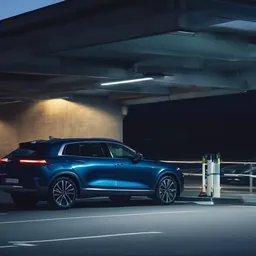 车牌识别 (LPR/ANPR)读取车牌的摄像机,可自动抬杆、记录每辆车,并将货车与地磅数据关联。先用老挝真实车牌测试。
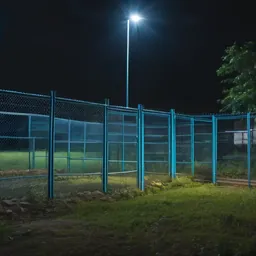 周界安防热成像摄像机、AI、围栏传感器和照明,守护数公里围栏,适用于矿山、工厂和变电站。
发给我们建筑平面图或几张现场照片
我们会先询问一些细节,再给出初步设计方案。首次咨询免费,可用老挝语、泰语或英语,通过 WhatsApp 或 Facebook 主页联系。